
We can measure angles, define proportions, and design every detail. But there is something that escapes even the most precise drawing: the future.
45°, 30°, 60°.
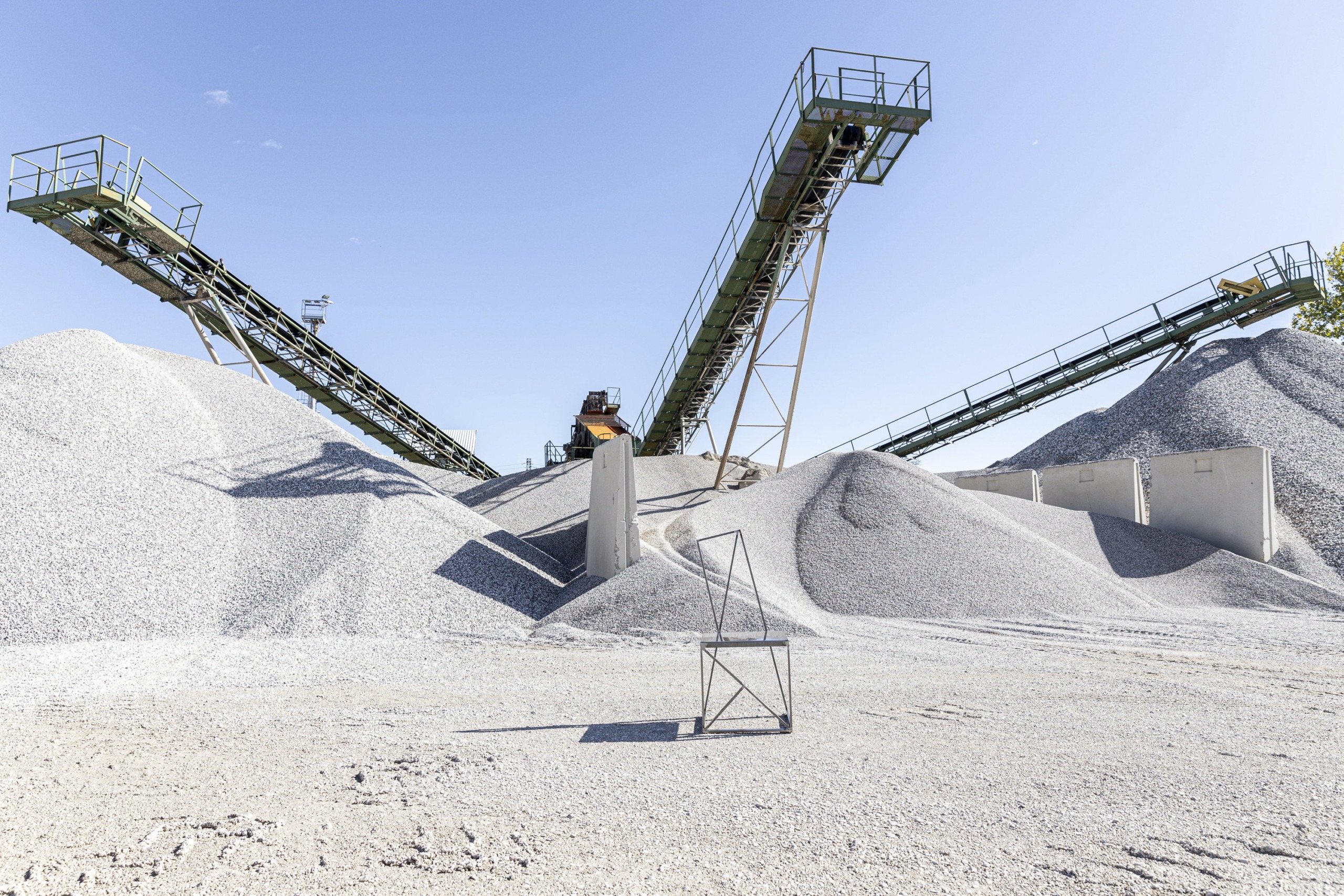
The geometry is a matter of rules. Of lines that intersect, angles that define directions, and proportions that bring order to space.
The future, on the other hand, remains an open question.
And yet, every project begins at the intersection of these two dimensions: the precision of what we can define today and the unpredictability of what lies ahead.
WHEN AN IDEA TAKES SHAPE
SQUADRETTA was designed by architect Leonardo Zonta of Materiadarchitettura, an architecture studio based in Udine, and brought to life by Pipedesign.
A chair conceived to engage with art spaces through an essential structure that does not seek to dominate its surroundings, but rather to become part of them.
Flat iron bars become the language through which geometry is transformed into an object.
Lines, angles, and proportions create a visually light presence, where solid elements and empty spaces achieve a carefully considered balance. The eye moves through the structure and beyond it, allowing the surrounding space to retain its own identity.
But behind this apparent simplicity lies an ongoing dialogue between those who envision a form and those who make it possible.
This is where design meets material.
The drawing encounters the properties of iron, manufacturing processes, and construction decisions. Different skills come together, transforming an idea into a tangible object.
It is not simply a matter of execution. It is the value of a collaboration in which design and production, each with its own language, contribute to a shared result.
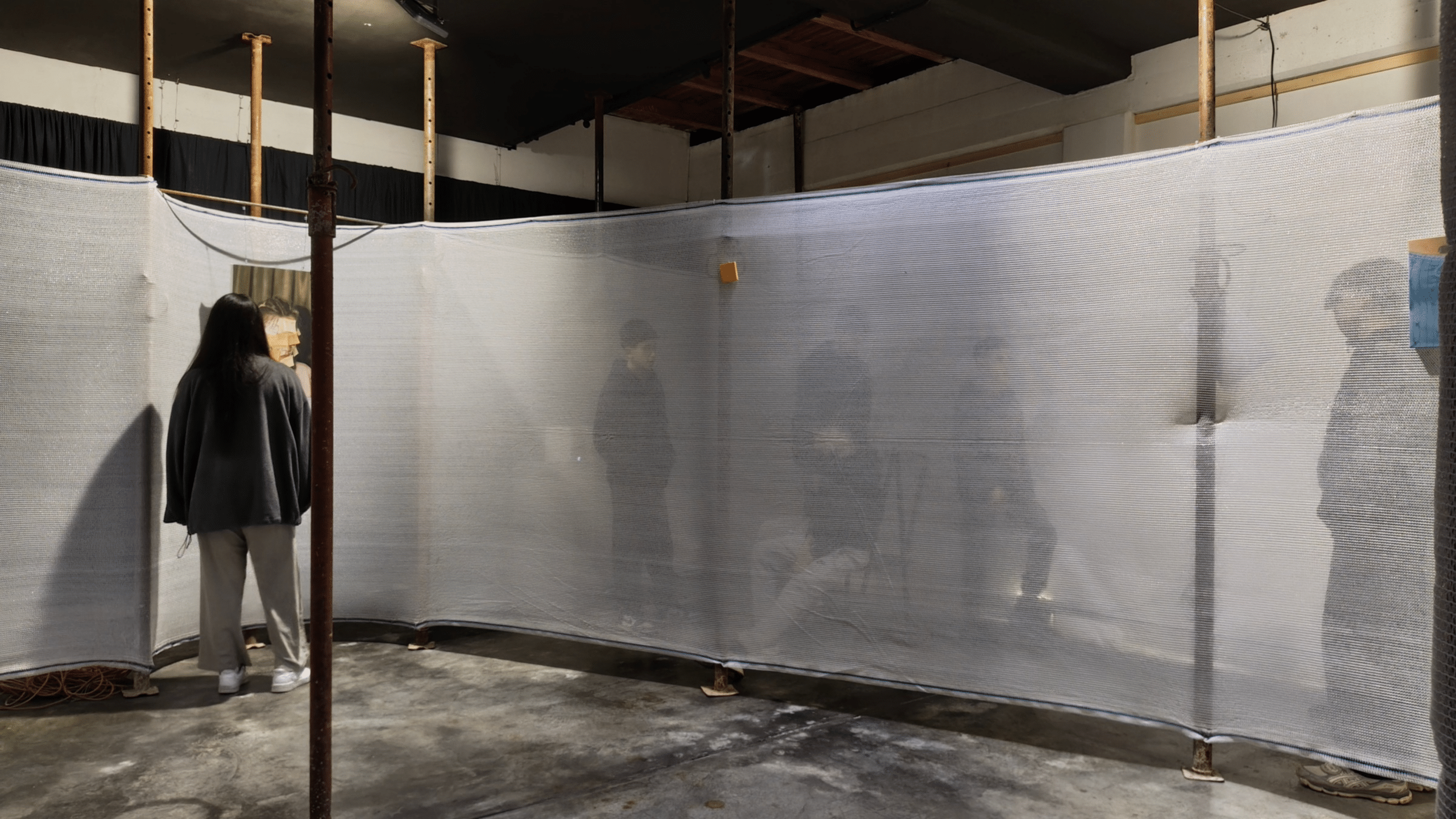
THE FUTURE DOESN'T FOLLOW THE DRAWING
There is, however, one variable that no technical drawing can predict: time.
We can establish dimensions, angles, and proportions. We can define a structure down to the smallest detail. But we cannot know whose eyes will encounter it, what meanings it will acquire, or what new interpretations it may inspire.
This is where a project moves beyond the boundaries of the drawing.
A chair remains a chair, of course. Yet, the moment it begins to interact with people, it no longer belongs solely to those who imagined and created it.
It becomes part of an ever-changing present, crossing generations and engaging with different ways of seeing and inhabiting space.
Perhaps designing for the future does not mean anticipating it, but creating something that leaves room for it.
Forms remain. Perspectives, habits, and ways of seeing change. And with them, the way we interpret what we have created today.
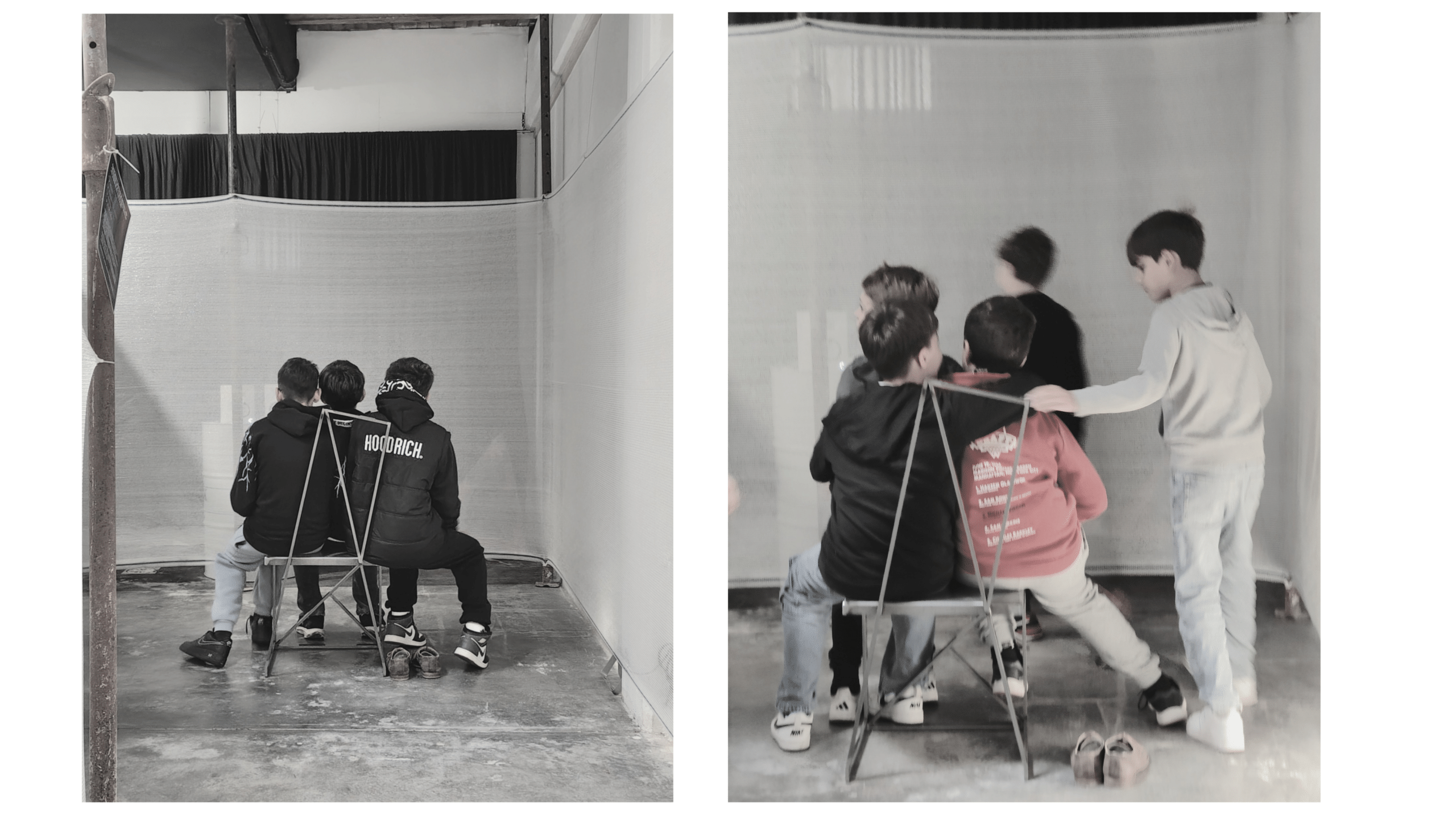
ONE FORM, MANY POSSIBILITIES
Presented for the first time with a clear protective finish that leaves the material visible, SQUADRETTA retains an almost deliberately raw, design-driven character in this initial version.
The iron reveals its true nature, without attempting to conceal it.
But this is only one possible interpretation.
Conceived to be available in a range of painted finishes, SQUADRETTA will be able to take on different colours and identities while preserving its distinctive geometric structure.
A defined form, then, but not a static one.
After all, designing does not necessarily mean establishing a definitive version of things.
It also means leaving room for what we have yet to discover.
We can decide the angles of a chair. But not the angles from which the future will choose to see it.